
Beyond the Screen: A Patient Experience that Reinvigorates Your Purpose as a Pharmacist
There are moments in our careers that remind us why we chose this profession in the first place.
For me, T.J. Sharpe’s keynote at the 2026 Research Pharmacy Summit was one of those moments.
“From Surviving to THRIVING: A Patient’s Journey of Hope Through Cancer and Clinical Trials” featured T.J. Sharpe, a patient engagement expert, clinical research advocate, and Stage IV melanoma survivor. Diagnosed in 2012, T.J. endured multiple surgeries, immunotherapy, and an extensive clinical trial journey. He described what it is truly like to receive a life-changing diagnosis, search for options, and make difficult decisions amid uncertainty, information gaps, access barriers, fear, and questions of trust.
T.J. brought the 2026 RPS theme of THRIVE to life, demonstrating determination, resilience, and hope—and the powerful role pharmacists can play in improving patient understanding, building trust, and supporting safer, better-informed clinical trial participation.
His powerful, emotional story prompted me to reflect on the larger purpose of my work:
As research pharmacists, how connected are we today to the patients we entered this profession to serve?
My Earliest Pharmacy Memories
When I think about pharmacy, I don’t first think about technology, regulations, workflows, protocols, documentation, or systems. I think of the pharmacist as a trusted, practical, and accessible resource for my mom when me and my twin sister were sick – and bubble gum flavored amoxicillin.
He was someone she could ask questions to. He could explain something that was confusing, reinforce what the physician had said, or simply provide reassurance.
Years later, as a pharmacy student, I was able to appreciate the pharmacist-patient relationship develop from the other side of the counter. The pharmacist wasn’t simply the person dispensing the medication – they were the frontline resource on everything from lice and baby formula to band-aids; a healthcare professional ungated by office appointments and insurance, sharing practice advice and guidance.
And in many ways, that relationship defines the core of the pharmacy profession: to serve, provide, protect, and care.
From Counter to Clinic
As my career evolved and environments became more complex, the fundamental responsibility and core of being a pharmacist never changed – it compounded upon itself as being a unique, indispensable member of the health care team.
As a resident, I pioneered a 6-month rotation in the acute psychiatric unit where I started a patient medication education group; a chance to share side effects, successes, challenges, and most importantly, to listen and validate their experiences with medication – shifting internal narrative to open dialogue that encouraged patient empowerment through education and support.
Patients told me things they did not tell their doctors or nurses. They asked different questions; they wanted to understand their medications, not simply receive them. Our role complemented that of physicians, nurses, and other members of the care team because we brought another perspective to the conversation, provided patient knowledge, reassurance, and support, just like the local pharmacist did for my mom.
Impacts as a Research Pharmacist
By nature, IDS Pharmacy is one of the highest-risk practice areas, and is subject to extensive requirements – regulatory bodies, sponsors, protocol-specific, institutional policies, and meticulous documentation. With dedication to these measures, IDS has historically been absent from direct patient encounters. T.J. Sharpe’s keynote presentation flipped that over – reinforcing the vital and crucial role IDS pharmacists play in patient care.
Every IDS pharmacist remembers one of their most proud, impactful moments – procuring an eIND and the patient walks out of the ICU; dosing 1,000 vaccine patients; working for 5 years on a study and the drug finally gets approval. And there was another moment that stayed with me for a very different reason: when a medication error occurred, I went to the infusion clinic and apologized directly to a patient and their family.
Experiences like those strip away titles, workflows, and systems.
You are no longer thinking about pharmacy as a department or clinical research as a process.
You are looking at a person.
And you are reminded that behind every protocol number, medication order, investigational product, accountability record, barcode, and data point is somebody who has trusted us with something extraordinarily important.
Screen Time
Healthcare has changed dramatically, and technology has transformed alongside it. Today, our profession is shaped by rapid technological advances, automation, expanding documentation demands, and increasing operational complexity. Technology can improve efficiency, accuracy, and patient safety, but can also allow the screen to create a mental and physical barrier between us and the people we serve.
Daily responsibilities can consume us. Tasks accumulate, documentation expands, systems demand attention, and workflows grow more complex. In the process, it is easy to lose sight of why the work exists. Automation can reduce repetitive work, simplify documentation, and eliminate duplication.
We can then redirect that time and capacity where they matter most: Patients.
This could include expanding counseling programs, supporting decentralized pharmacist review, or simply making pharmacists more visible and accessible to research patients.
Technology should not replace human connections; it should create more space for it.
The Patient Is More Than a Workflow
That is why T.J. Sharpe’s keynote resonated so strongly with the research pharmacy community.
The session challenged attendees to consider the barriers patients face when searching for clinical trials and making treatment decisions—and how pharmacists and pharmacy technicians can improve understanding, build trust, expand access, and support safer, better-informed participation.
On paper, those goals may sound operational but in practice, they are deeply human.
A patient’s experience with cancer or another serious illness does not fit neatly into professional categories. Patients do not experience pharmacy, clinical operations, regulatory affairs, technology, and patient engagement as separate functions.
They experience a single journey, and our role is to make it safer, clearer, and less overwhelming.
Most importantly, along the way, we must always remember why we became pharmacists.
Want to learn more about RPS 2027? Sign up for our RPS mailing list here.
About the Author
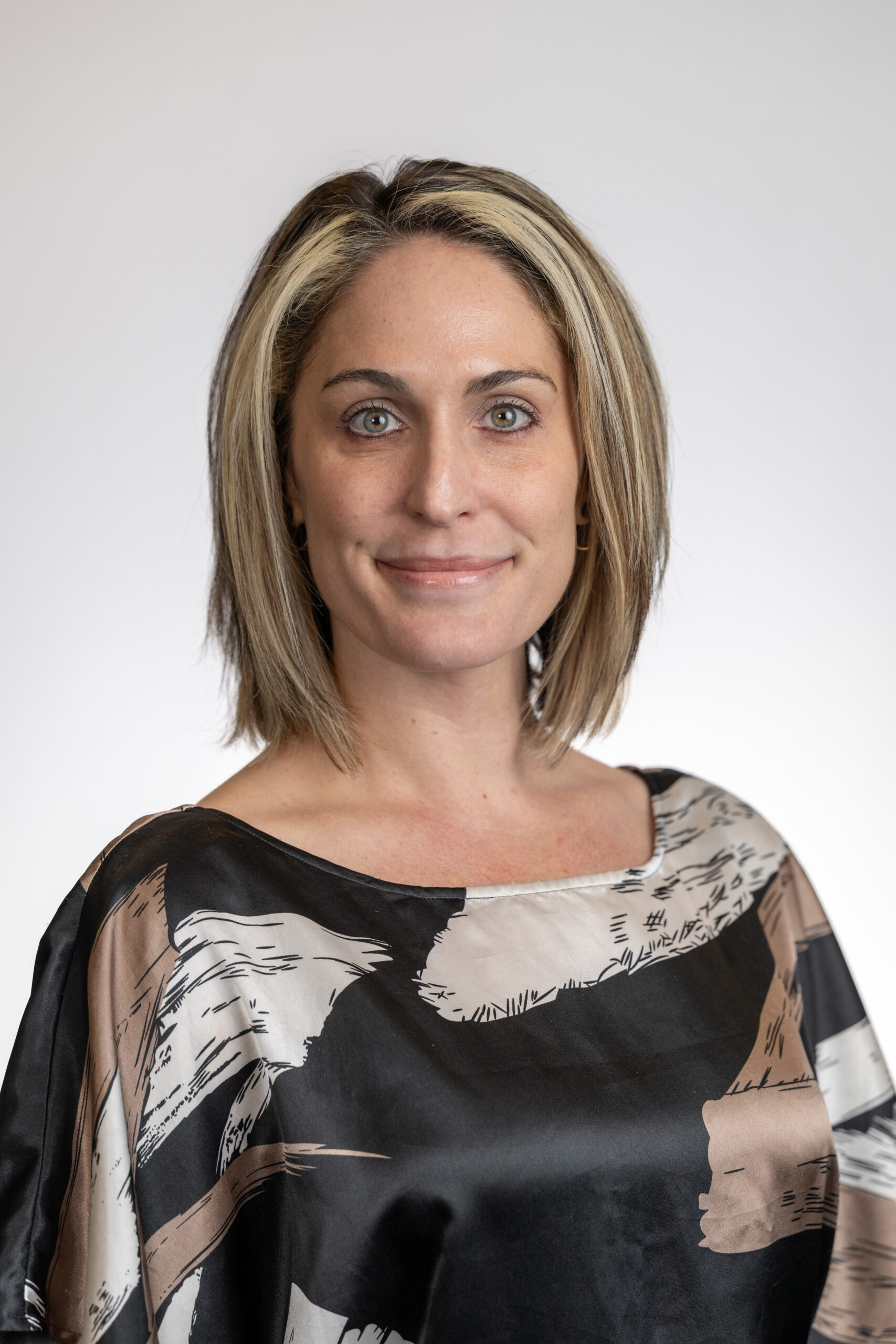
Rachael Aletti, Pharm. D.
With over 13 years of experience as a licensed pharmacist, Rachael has worked primarily in academic medical centers, starting in inpatient care and transitioning to Investigational Drug Services in 2013. She graduated Summa Cum Laude from Massachusetts College of Pharmacy, completed a PGY1 Pharmacy Practice Residency at Montefiore Medical Center, and practiced at Montefiore before joining the IDS at NYP-Weill Cornell Medical Center.
Rachael joined McCreadie Group in 2019 as an Account Manager, leading new site implementations, optimizing Vestigo at existing sites, and fostering a collaborative community in investigational drug services. She pioneered the growth of the Research Pharmacy Summit and Vestigo’s Customer Success team before transitioning to Business Development Manager, focusing on new contracts and strategic planning. Now a Solutions Engineer, Rachael combines her technical expertise with deep knowledge of research pharmacy management to understand client needs and showcase Vestigo’s capabilities.